

WHAT ARE TWIST DRILL BITS?
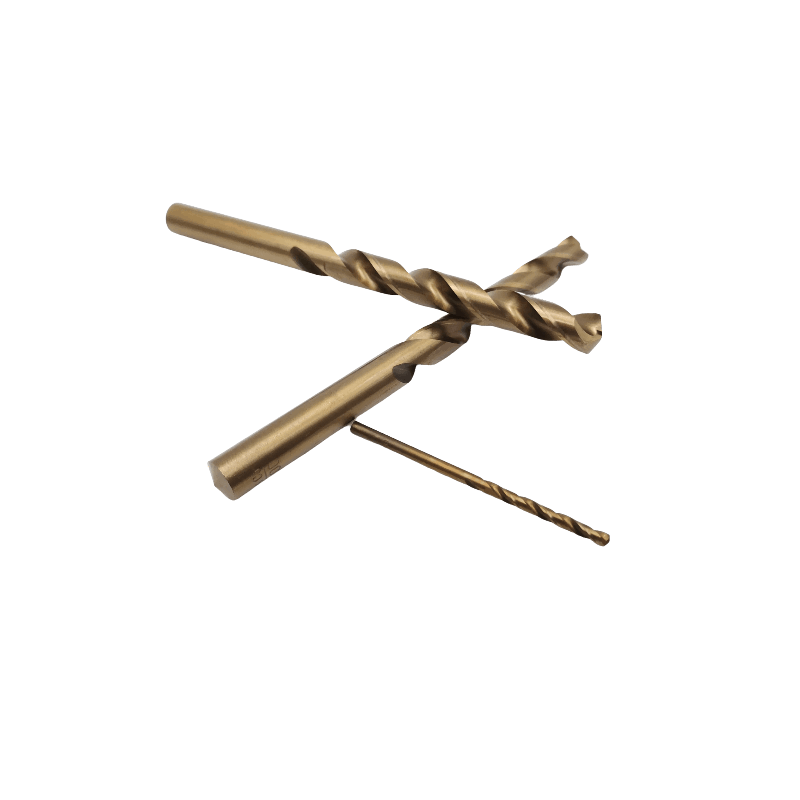
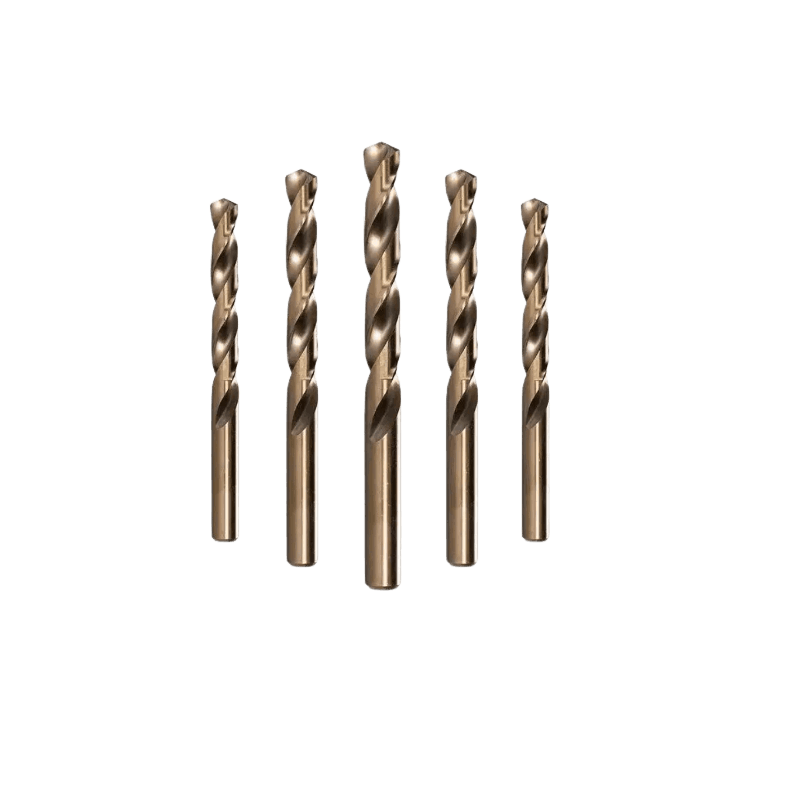
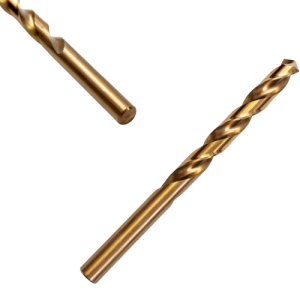
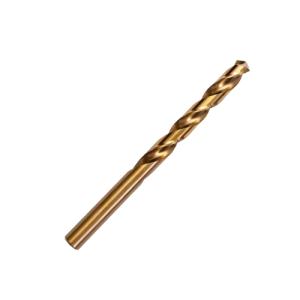
Twist drill bits are the most commonly used cutting tools for creating accurate holes through rotary drilling. Featuring a spiral flute design, they help remove chips efficiently while providing stable cutting performance.
HSS twist drill bits are widely used in metalworking applications for drilling steel, stainless steel, aluminum, and other metal materials. With high-quality materials and precise manufacturing processes, they offer excellent durability, wear resistance, and reliable drilling performance.
BENEFITS OF TWIST DRILL BITS

PRECISION DRILLING
HSS Twist Drill Bits feature optimized point geometry and spiral flute design to provide accurate hole positioning, smooth cutting, and consistent drilling performance for metalworking applications.

EFFICIENT CHIP REMOVAL
The spiral flute design helps remove chips quickly during drilling, reducing cutting resistance and improving drilling efficiency for continuous operations.

DURABLE PERFORMANCE
Manufactured from high-quality high-speed steel (HSS), Twist Drill Bits offer excellent hardness, wear resistance, and long service life under demanding working conditions.

WIDE METALWORKING APPLICATIONS
HSS Twist Drill Bits are suitable for drilling various metal materials, including steel, stainless steel, aluminum, and other metal materials, meeting different industrial requirements.
TYPES OF TWIST DRILL BITS
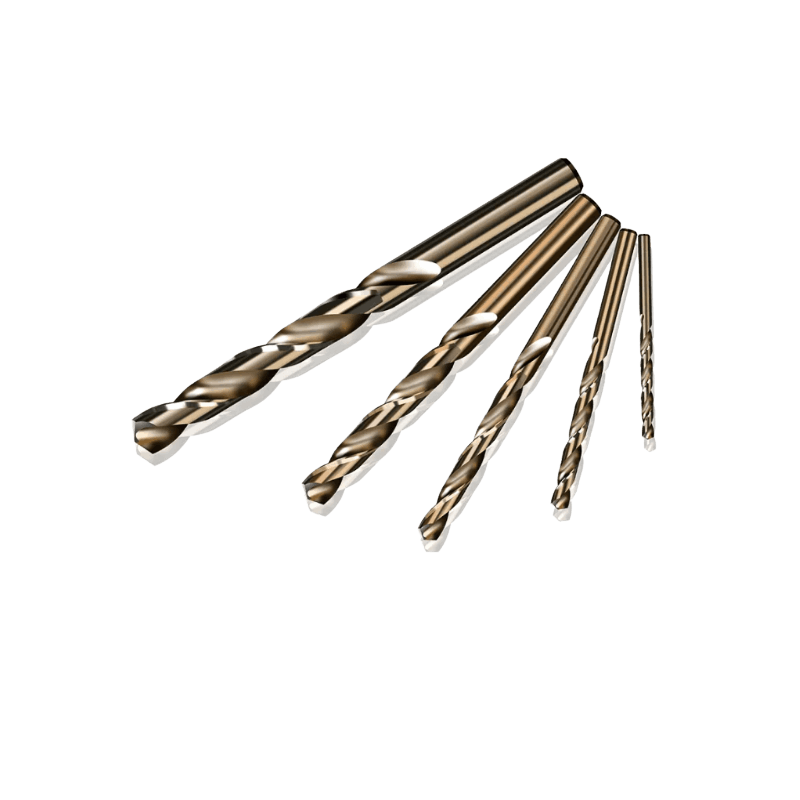
HSS Twist Drill Bits
HSS Twist Drill Bits are the most commonly used type of twist drill. Made from high-speed steel, they provide excellent hardness, wear resistance, and cutting performance for drilling various metal materials.
Straight Shank Twist Drill Bits
Straight Shank Twist Drill Bits feature a cylindrical shank design that fits standard drill chucks. They are widely used for general metalworking applications requiring stable and accurate drilling.
Taper Shank Twist Drill Bits
Taper Shank Twist Drill Bits are designed for heavy-duty drilling operations. The tapered shank provides strong holding force and better stability during industrial machining processes.
Silver & Deming Twist Drill Bits
Silver & Deming Drill Bits feature reduced shanks that allow large diameter drilling with standard drill chucks. They are commonly used for industrial and workshop applications.
Step Twist Drill Bits
Step Drill Bits feature multiple cutting steps, allowing users to drill different hole sizes with a single tool. They are suitable for sheet metal processing and fabrication work.
Center Drill Bits
Center Drill Bits are precision tools used to create accurate starting holes before further machining. They help improve positioning accuracy and drilling stability.
Double End Twist Drill Bits
Double End Drill Bits have cutting edges on both ends, providing longer service life and higher efficiency for repetitive drilling applications.
Advantages of Twist Drill Bits
Accurate Hole Creation
Optimized flute and point geometry provide precise drilling results and consistent hole quality.
Efficient Chip Removal
The spiral flute design improves chip evacuation, reduces cutting resistance, and supports smoother drilling operations.
Long Service Life
High-quality HSS materials and advanced manufacturing processes improve durability and wear resistance.
Wide Industrial Applications
Twist Drill Bits are widely used in metalworking, machining, manufacturing, maintenance, and industrial production.
MATERIAL OF TWIST DRILL BITS
Twist Drill Bit Materials
The performance, durability, and cutting efficiency of Twist Drill Bits are greatly influenced by the materials used in manufacturing. Different materials provide different levels of hardness, heat resistance, wear resistance, and drilling performance for various metalworking applications.
High-Speed Steel (HSS)
High-Speed Steel (HSS) is one of the most widely used materials for Twist Drill Bits. It offers excellent hardness, toughness, and heat resistance, making it suitable for general drilling operations in steel, stainless steel, aluminum, and other metal materials.
HSS Twist Drill Bits are widely used in industrial production because they provide reliable cutting performance, stable drilling accuracy, and long service life.
Coated HSS Twist Drill Bits
Coated HSS Twist Drill Bits feature additional surface treatments that help reduce friction, improve hardness, and extend tool life. These surface treatments can improve drilling performance during continuous machining operations.
Reliable Materials for Stable Performance
Choosing the right Twist Drill Bit material depends on the workpiece material, drilling conditions, and required performance. High-quality materials combined with advanced manufacturing processes help ensure accurate drilling, better wear resistance, and longer service life.
APPLICATION OF TWIST DRILL BITS
Applications of Twist Drill Bits
Twist Drill Bits are among the most commonly used cutting tools in metalworking and industrial drilling applications. Their spiral flute design allows efficient chip removal and stable drilling performance for different workpiece materials.
Steel Drilling
HSS Twist Drill Bits are widely used for drilling carbon steel, stainless steel, aluminum, and other metal materials in general machining and industrial production.
Stainless Steel Drilling
With suitable cutting conditions, Twist Drill Bits can be used for drilling stainless steel, providing stable cutting performance and accurate hole creation.
Aluminum Drilling
Twist Drill Bits are also suitable for drilling aluminum and other non-ferrous metals, offering efficient cutting and smooth drilling results.
Industrial Manufacturing
In industrial manufacturing, Twist Drill Bits are essential tools for processing components that require precision, efficiency, and stable quality.
Workshop & Maintenance Applications
Twist Drill Bits are commonly used in workshops, equipment maintenance, and metal fabrication where reliable drilling performance is required.
Custom Applications
For special drilling requirements, manufacturers can provide customized Twist Drill Bit solutions according to different specifications, materials, and application needs.
PROCESS OF TWIST DRILL BITS
1. Raw Material Selection
The manufacturing process of Twist Drill Bits starts with selecting high-quality raw materials. Premium high-speed steel (HSS) is carefully selected to ensure excellent hardness, toughness, wear resistance, and cutting performance.
2. Material Processing
Selected materials are processed through advanced manufacturing equipment to achieve the required dimensions and basic structure of Twist Drill Bits. Precise processing ensures product consistency and reliable performance.
3. Precision Grinding
Precision grinding is an essential step in Twist Drill Bit manufacturing. Professional grinding equipment is used to create accurate flute geometry, cutting edges, and point angles, improving drilling accuracy and cutting efficiency.
4. Heat Treatment
Heat treatment improves the hardness, strength, and durability of HSS Twist Drill Bits. Proper heat treatment processes enhance wear resistance and ensure stable performance during long-term drilling operations.
5. Surface Treatment
Surface treatment helps improve the performance of Twist Drill Bits by reducing friction, enhancing wear resistance, and extending tool service life for different drilling applications.
6. Quality Inspection
Strict quality control is implemented throughout the production process. Each Twist Drill Bit is inspected for dimensions, appearance, and performance to ensure consistent quality and meet customer requirements.
7. Packaging & Delivery
After final inspection, Twist Drill Bits are professionally packaged according to customer requirements and prepared for global delivery. Efficient production management ensures stable supply and reliable service.
COMPONENTS OF TWIST DRILL BITS

SHANK
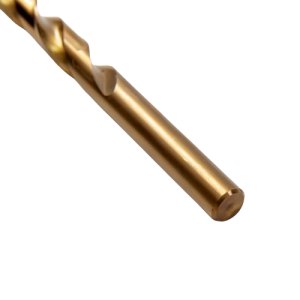
The shank is the part of the twist drill bit that connects with the drill chuck or machine spindle. Different shank designs, including straight shank and taper shank, provide stable clamping and reliable performance during drilling operations.

BODY
The body is the main section of a twist drill bit between the shank and the cutting point. It includes the flute structure and provides the necessary strength, balance, and stability for efficient drilling performance.

Flutes
Flutes are the spiral grooves along the body of a twist drill bit. They are designed to remove chips and debris efficiently during drilling while improving cutting performance and preventing overheating.

DRILL POINT
The point is the cutting end of a twist drill bit. Its geometry and angle design directly affect drilling accuracy, penetration performance, and cutting efficiency when working with different materials.

CUTTING EDGES
The cutting edges are the sharp sections located at the drill point that remove material during drilling. Precisely ground cutting edges help achieve accurate holes, smooth cutting performance, and longer tool life.

SURFACE TREATMENT
Surface treatment improves the performance of twist drill bits by reducing friction, increasing wear resistance, and extending service life. Common treatments such as black oxide and coating technologies help enhance drilling efficiency for different applications.

HOW TO MAINTAIN HSS DRILL BITS?

CLEAN HSS DRILL BITS AFTER USE
After drilling operations, clean HSS drill bits carefully to remove metal chips, dust, and cutting residues. Proper cleaning helps maintain cutting performance and prevents surface corrosion or damage.

USE PROPER CUTTING PARAMETERS
Selecting the correct drilling speed, feed rate, and cutting conditions according to different materials can reduce tool wear, prevent overheating, and extend the service life of HSS drill bits.

APPLY SUITABLE CUTTING FLUID
During metal drilling applications, using suitable cutting fluid or lubrication helps reduce friction and heat generation. This improves drilling efficiency, protects the cutting edges, and enhances tool durability.
STORE HSS DRILL BITS PROPERLY
Store HSS drill bits in a dry and clean environment to prevent rust and corrosion. Using protective boxes or proper packaging helps keep the drill bits in good condition during storage and transportation.
SELECT THE RIGHT HSS DRILL BIT
Choosing the correct HSS drill bit according to the workpiece material, drilling application, and required hole accuracy ensures stable cutting performance and longer tool life.

INSPECT DRILL BITS REGULARLY
Regular inspection helps identify cutting edge wear, surface damage, or performance issues. Replacing worn HSS drill bits in time improves drilling efficiency and maintains consistent machining quality.
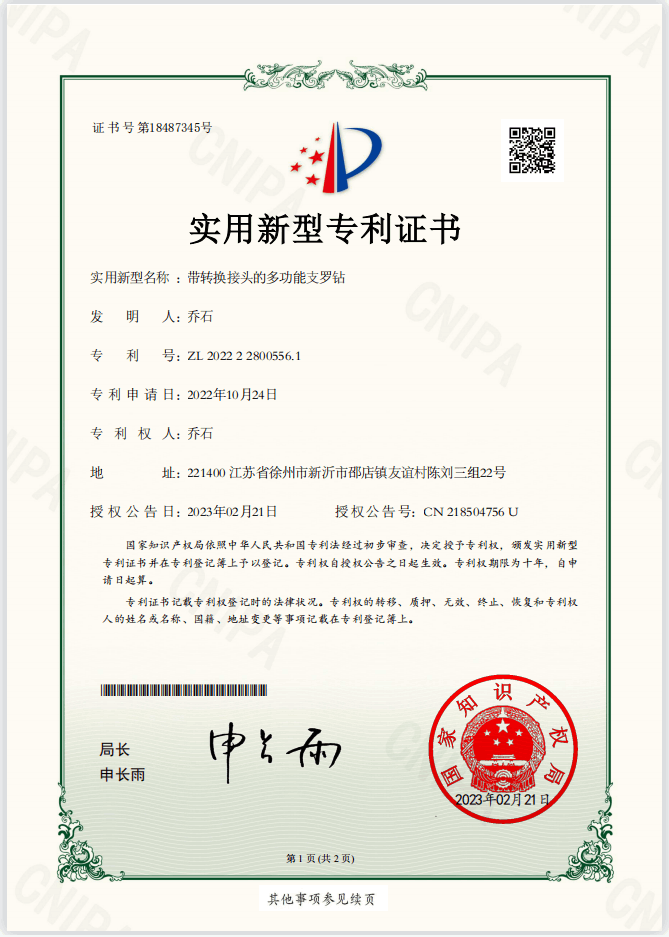
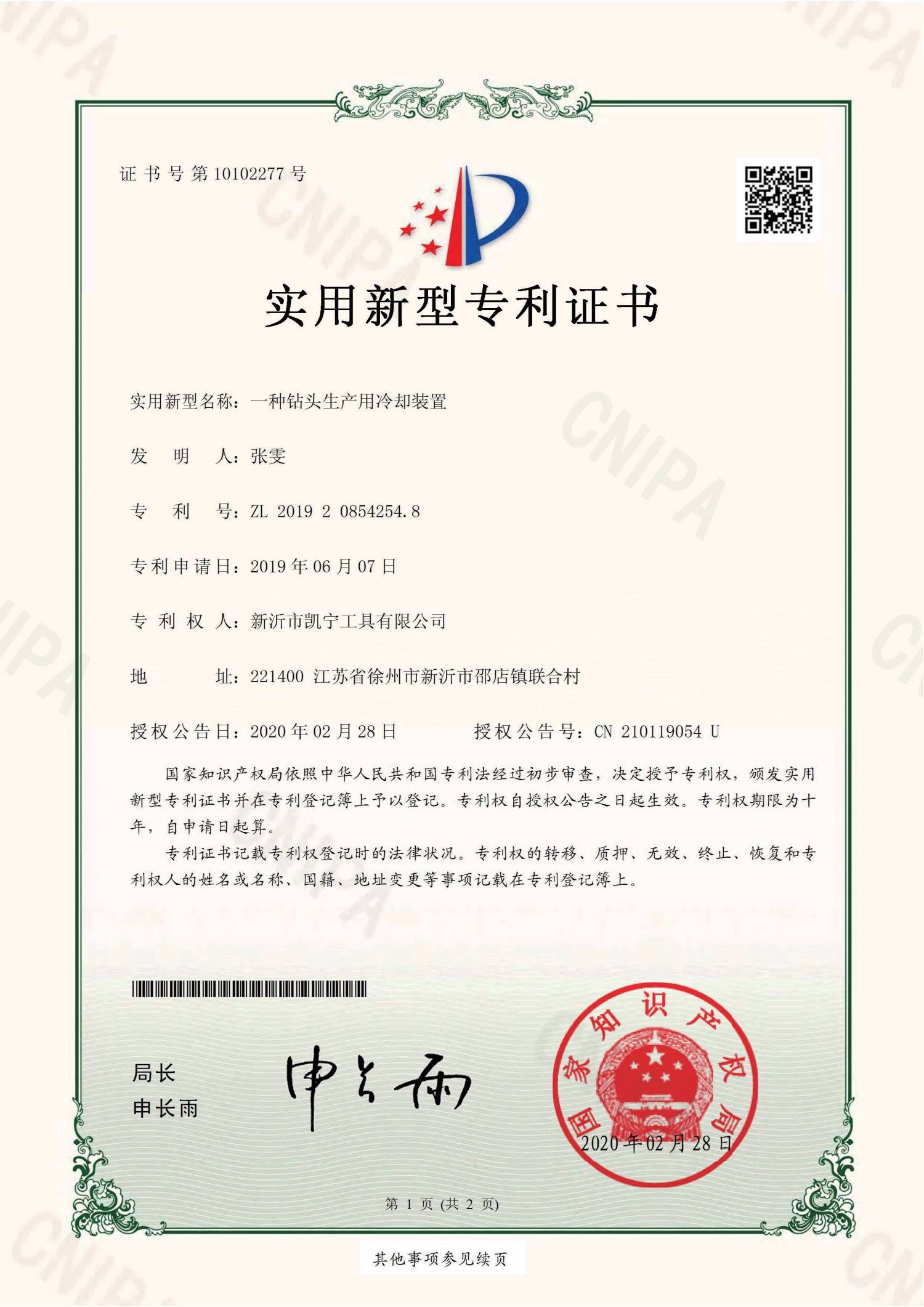
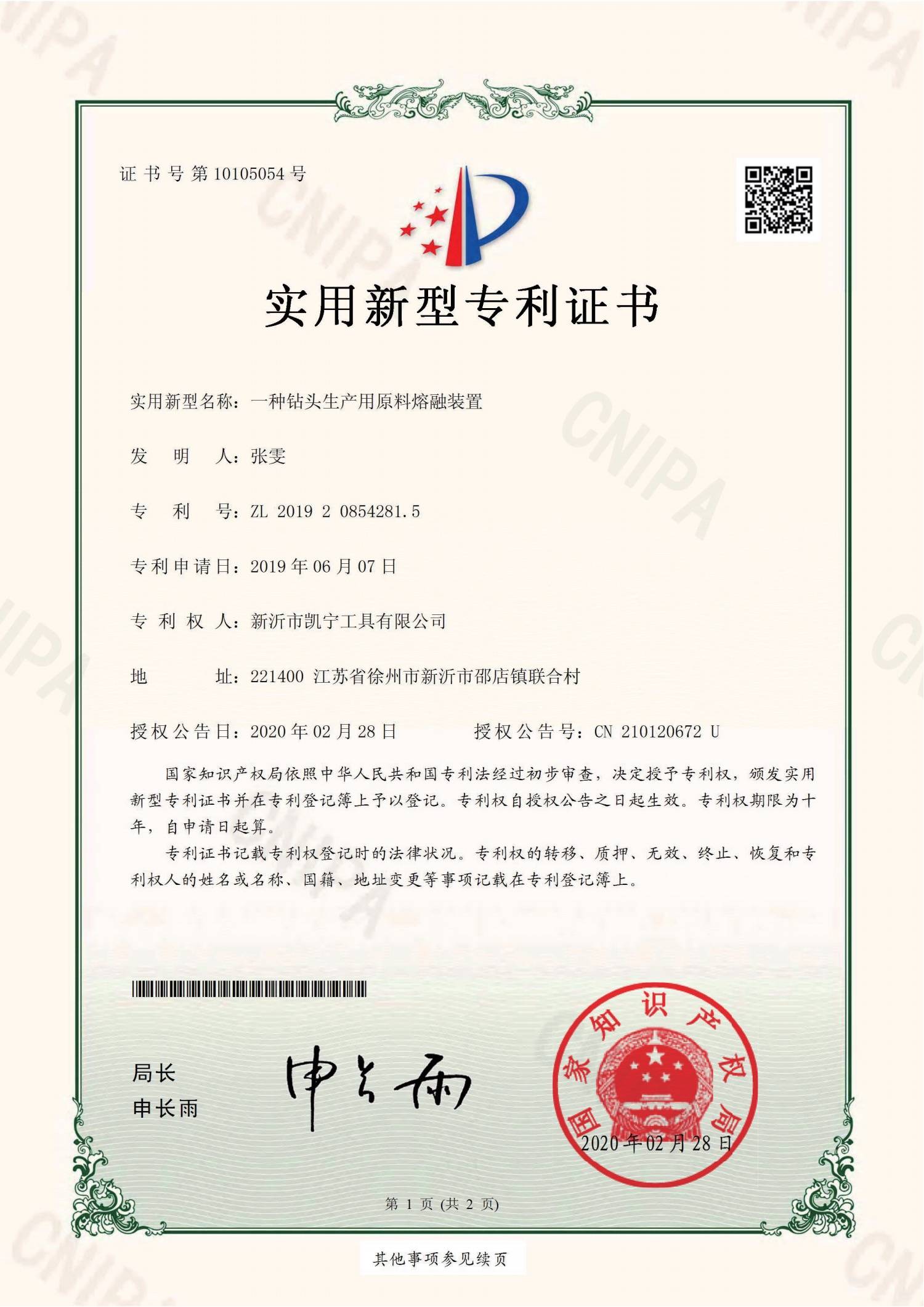
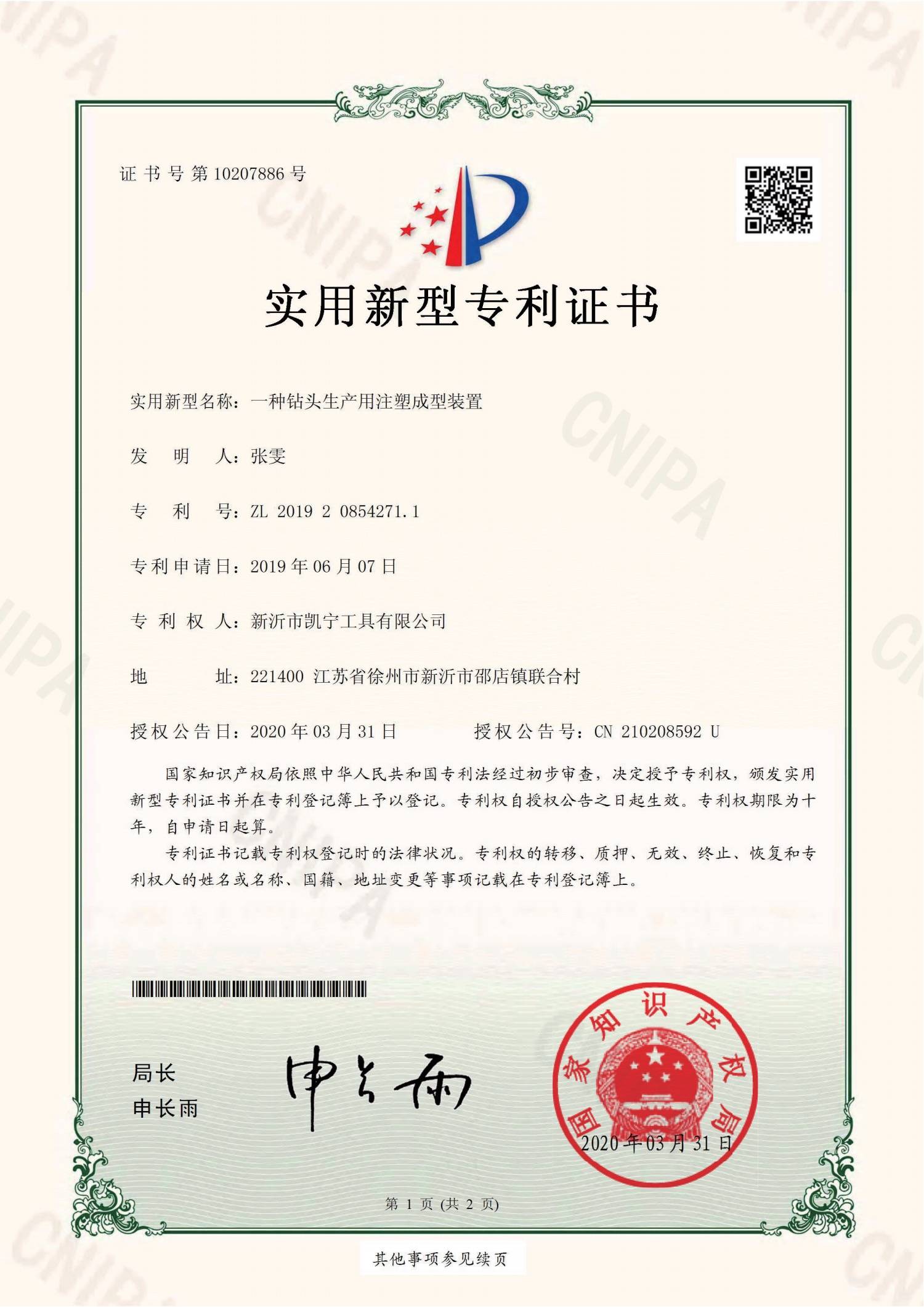
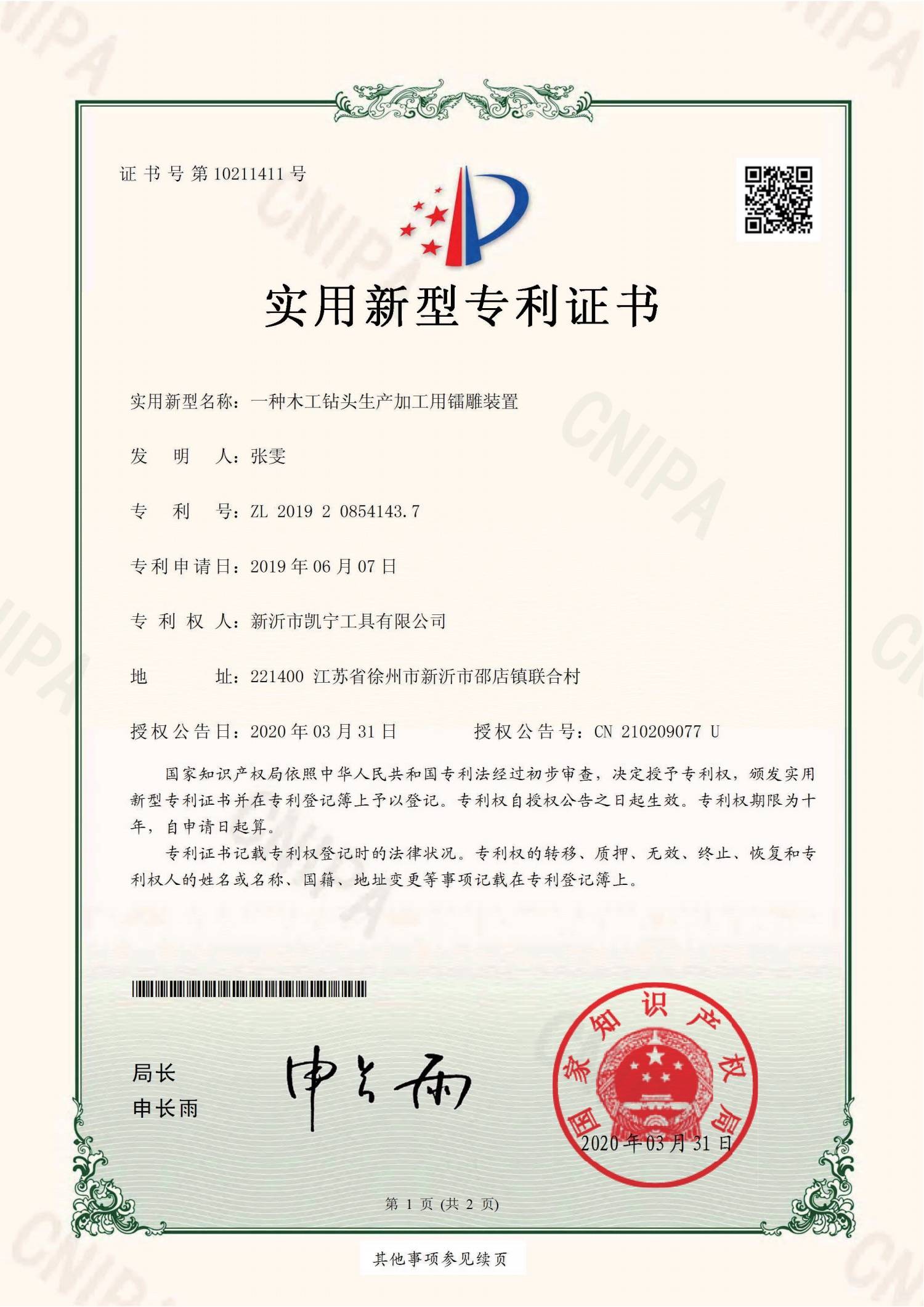
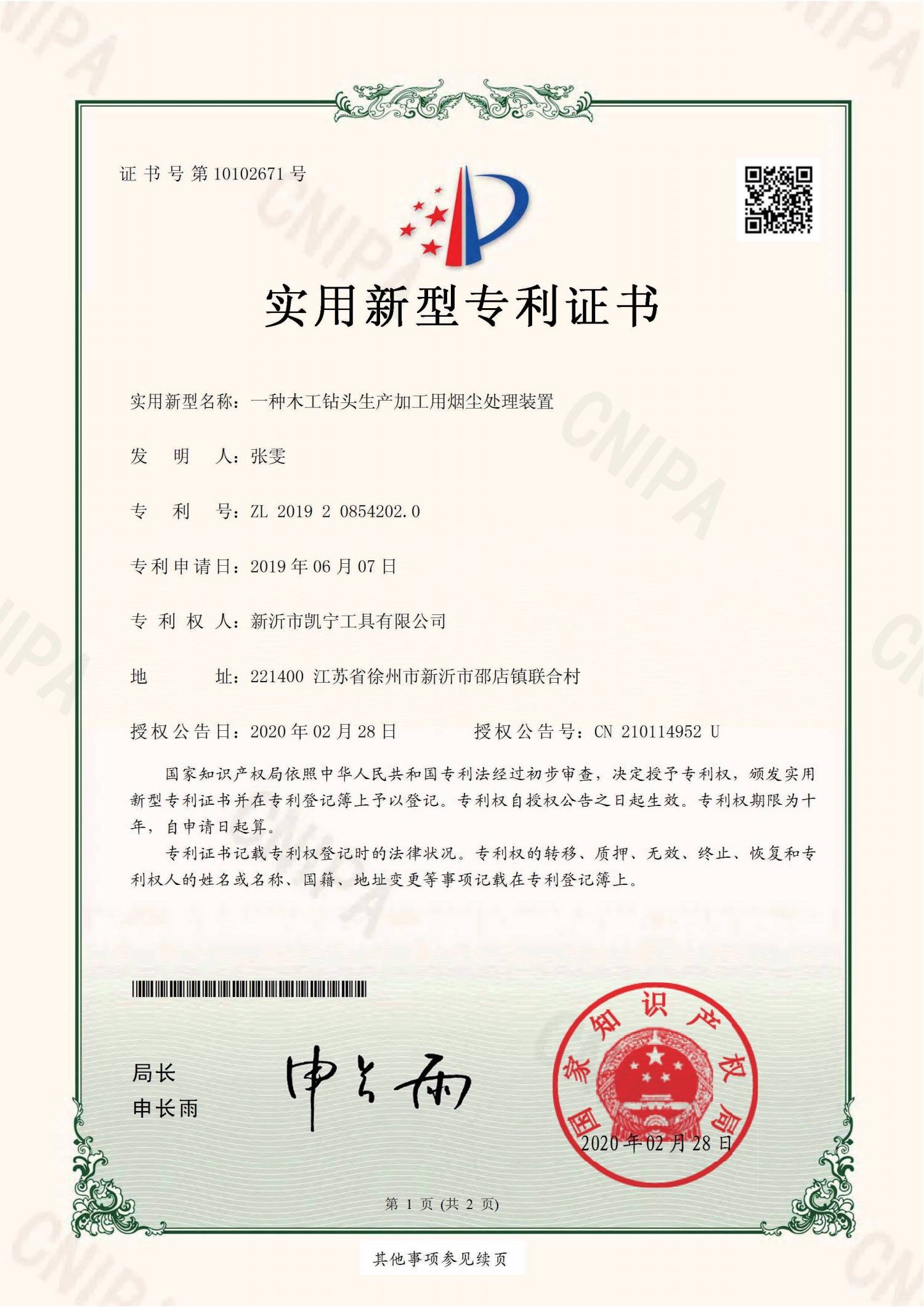
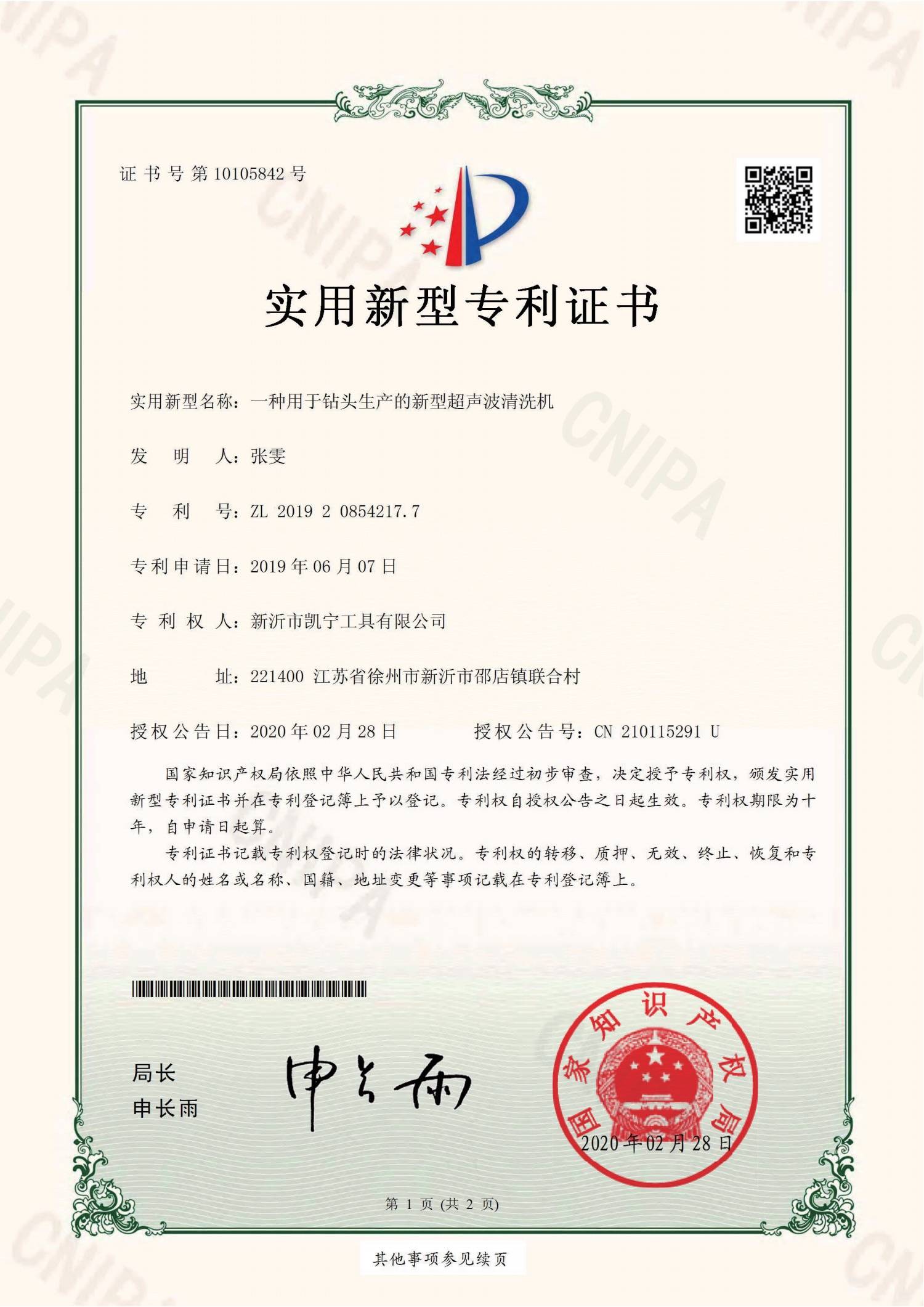
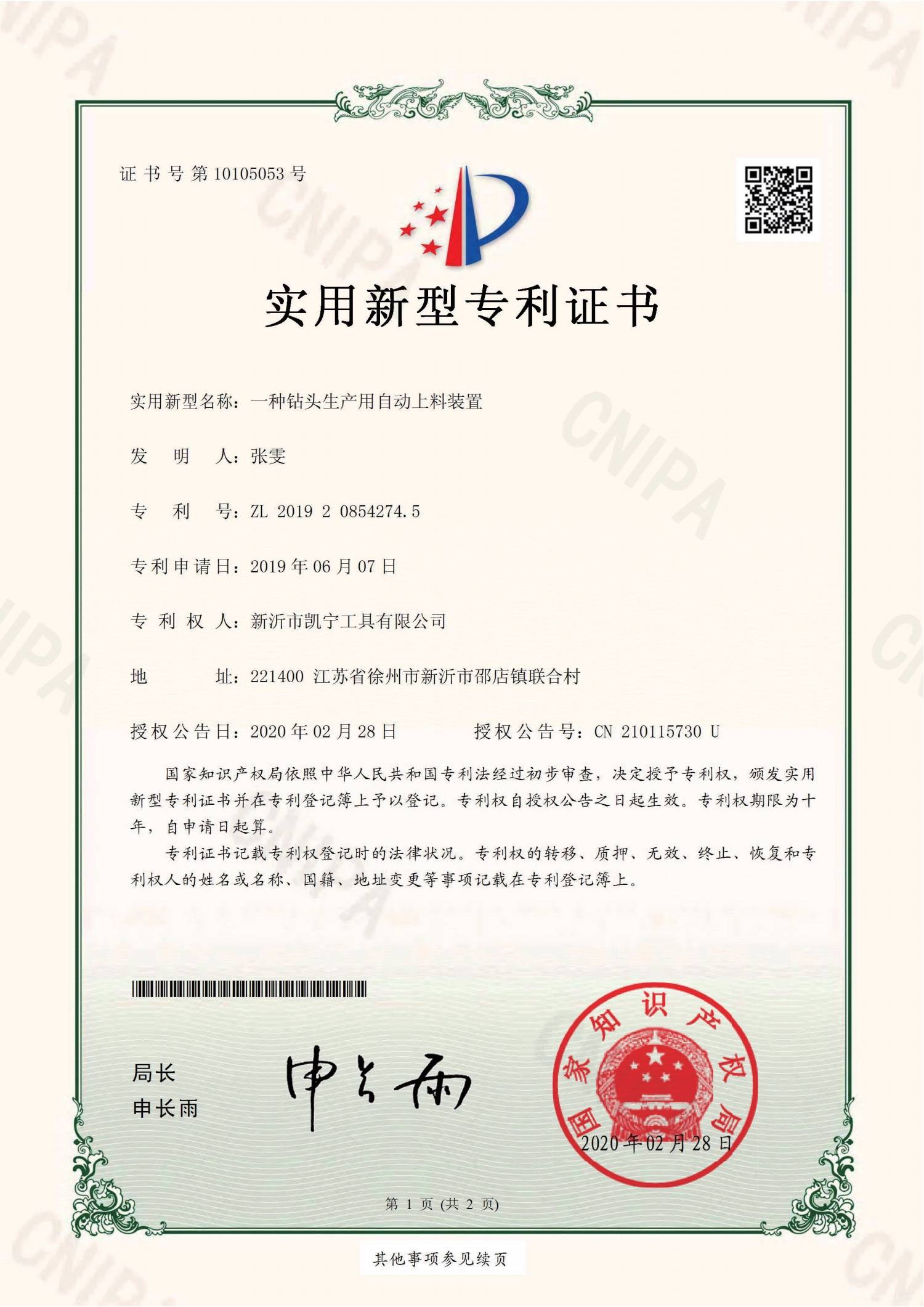
Our Certificate


FAQ
A: Twist drill bits are rotary cutting tools designed to create accurate holes in different materials. They feature spiral flutes that help remove chips efficiently during drilling and are widely used in metalworking, manufacturing, and general drilling applications.
A: HSS twist drill bits are mainly used for drilling holes in metal materials such as carbon steel, stainless steel, aluminum, and alloy steel. They provide excellent hardness, wear resistance, and cutting performance for various industrial applications.
A: Twist drill bits can be used for drilling various materials, including steel, stainless steel, aluminum, copper, plastic, and other engineering materials. The suitable drill bit type depends on the material hardness and drilling requirements.
A: Kaining Tools provides different types of drilling tools, including HSS Twist Drill Bits, Straight Shank Drill Bits, Silver & Deming Bits, Taper Shank Drill Bits, Step Drill Bits, Center Drill Bits, Double End Drill Bits, and customized non-standard drilling tools.
A: HSS twist drill bits are made from high-speed steel, offering good hardness, heat resistance, and durability. Compared with standard drill bits, HSS twist drill bits provide better cutting performance and longer service life for metal drilling applications.
A: Twist drill bits are manufactured through several processes, including raw material selection, precision grinding, heat treatment, surface treatment, quality inspection, and packaging. These processes ensure accurate dimensions, stable performance, and reliable drilling quality.
A: A twist drill bit mainly consists of a shank, body, flutes, point, and cutting edges. Each component plays an important role in drilling accuracy, chip removal, cutting efficiency, and tool durability.
A: Yes. Kaining Tools provides customized drilling solutions according to customer requirements, including special sizes, designs, specifications, and non-standard twist drill bits for different applications.
A: Selecting the right twist drill bit depends on the workpiece material, hole size, drilling speed, and application requirements. Choosing suitable materials and drill bit designs helps improve drilling efficiency and tool life.
A: Proper maintenance can extend twist drill bit service life. Recommended methods include using suitable cutting parameters, applying proper lubrication, cleaning chips after use, storing drill bits correctly, and inspecting cutting edges regularly.
A: Working with a professional twist drill bit manufacturer ensures reliable product quality, stable supply capacity, competitive pricing, and customized solutions. Experienced manufacturers can provide drilling tools that meet different industrial requirements.
A: Twist drill bits are widely used in metalworking, machinery manufacturing, automotive production, construction, maintenance, and industrial processing where accurate hole drilling is required.